
Thrive Impact Foundation · Pakistan
Helping communities across Pakistan thrive in a changing world.
Thrive Impact Foundation Limited is a not-for-profit company set up under section 42 of the Companies Act, 2017. We work alongside vulnerable communities to build resilient livelihoods, address climate and environmental risks, improve access to essential services, and advance human development, with a particular focus on women and youth.
Orchards in Upper Hunza, photographed on our September 2026 field visit.
What we do
Our focus: resilient communities
Our mandate covers the whole of Pakistan. We go where climate risk, poverty and untapped local potential meet.
Economic resilience and livelihoods
Strengthening skills and fostering innovation for greater value.
Climate adaptation
Homes, farms and businesses ready for a hotter, less predictable climate.
Disaster preparedness
Early warning, planning and faster recovery.
Cultural development
Growth that strengthens local identity.
Current project · Gilgit-Baltistan
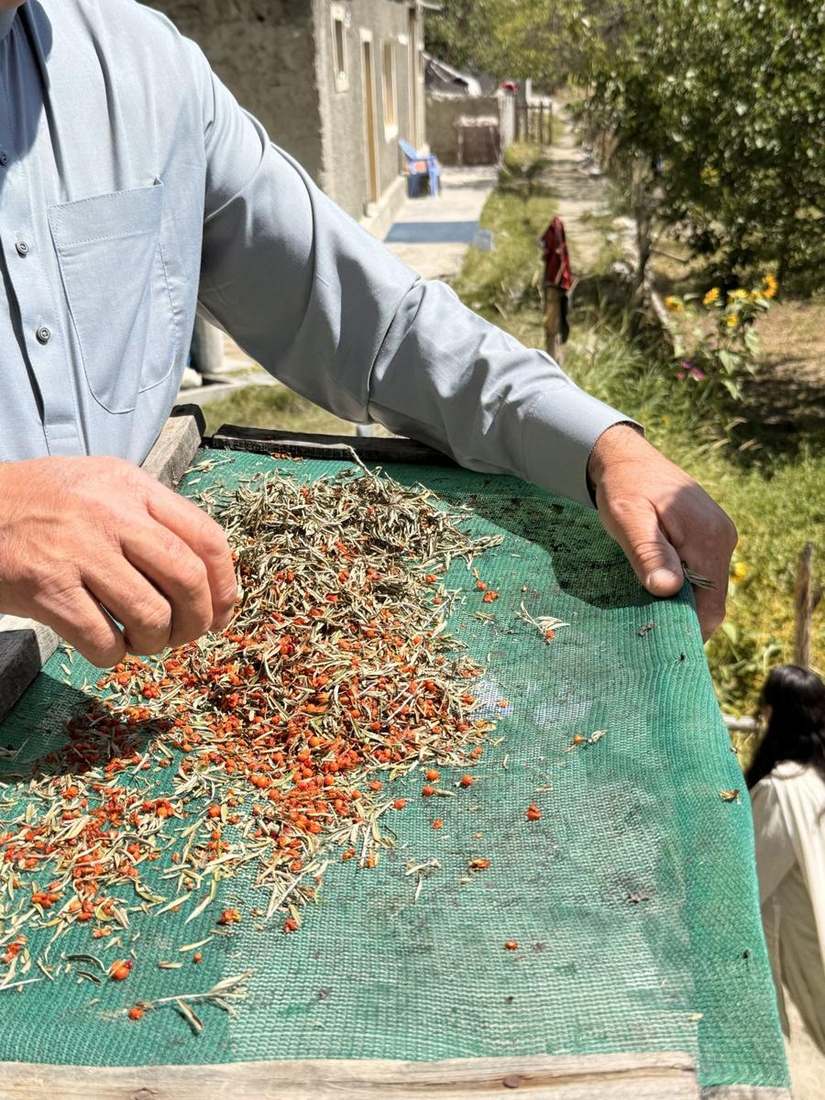
The Upper Hunza Sea Buckthorn Facility
A solar-powered facility in Ghulkin that will turn wild sea buckthorn into cold-pressed oil, buying directly from 500 households in four valleys, most of the berries collected by women.
From the field
We start by listening to communities
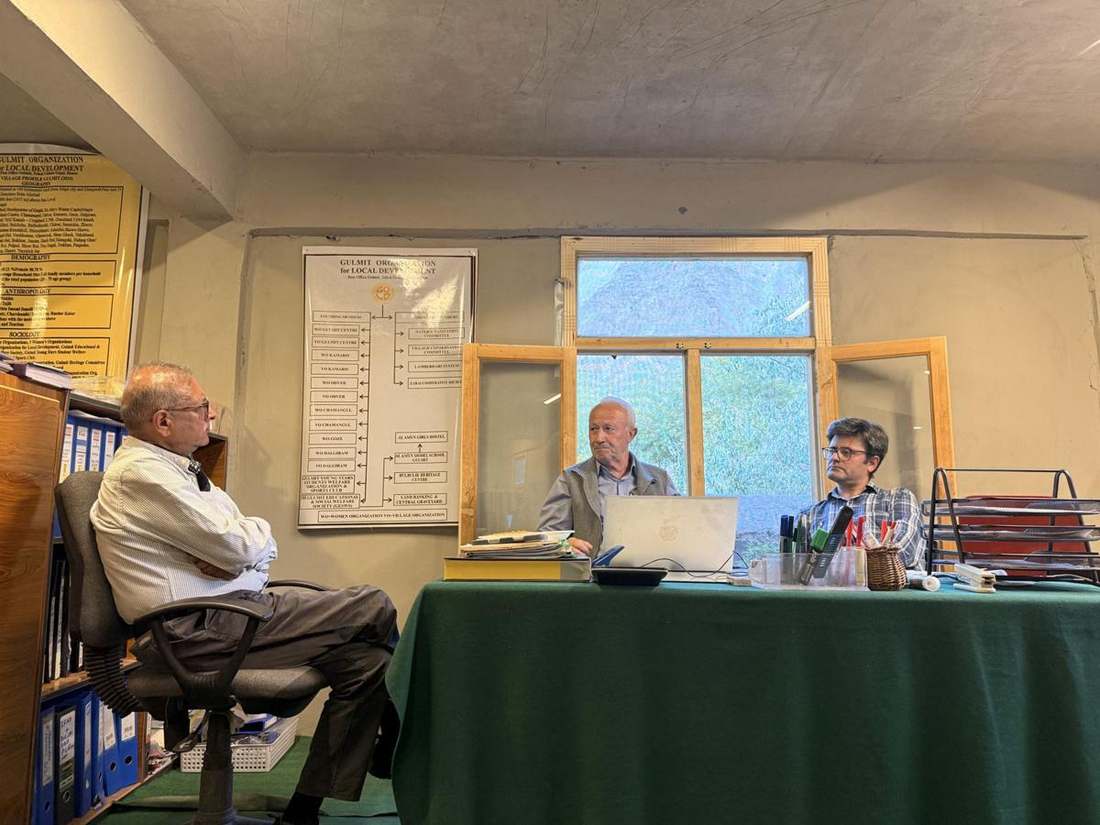
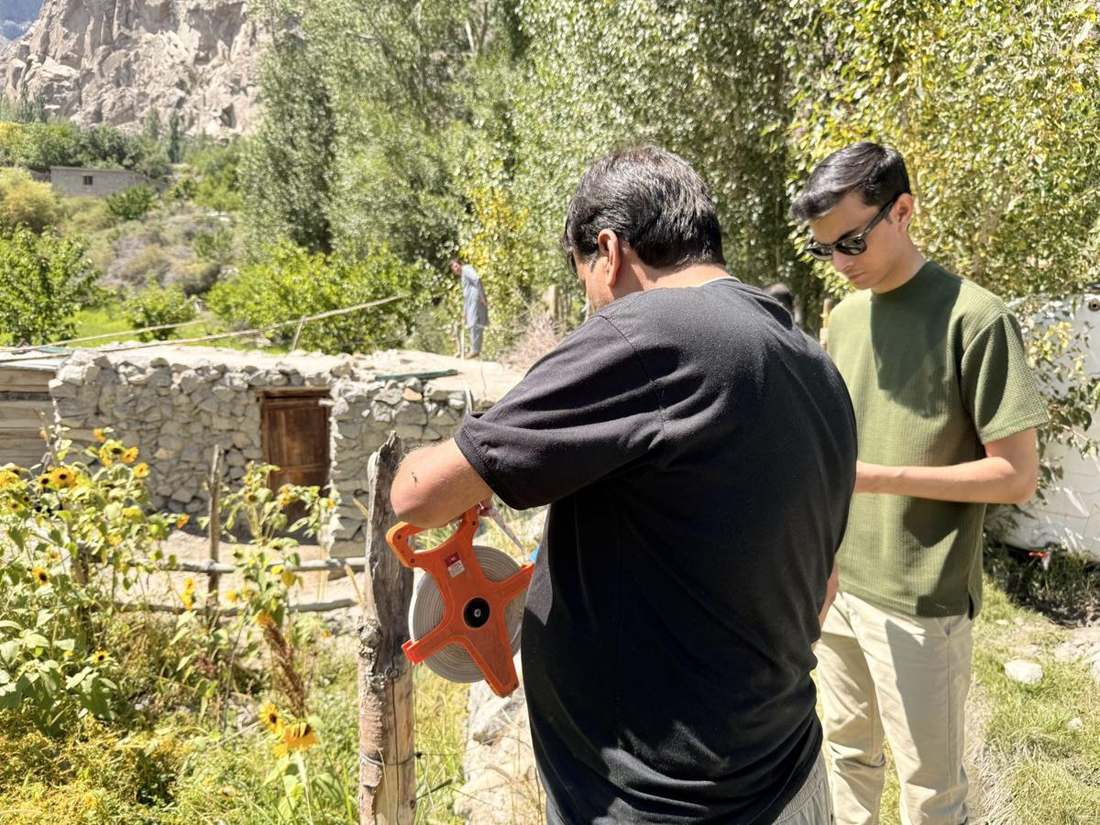
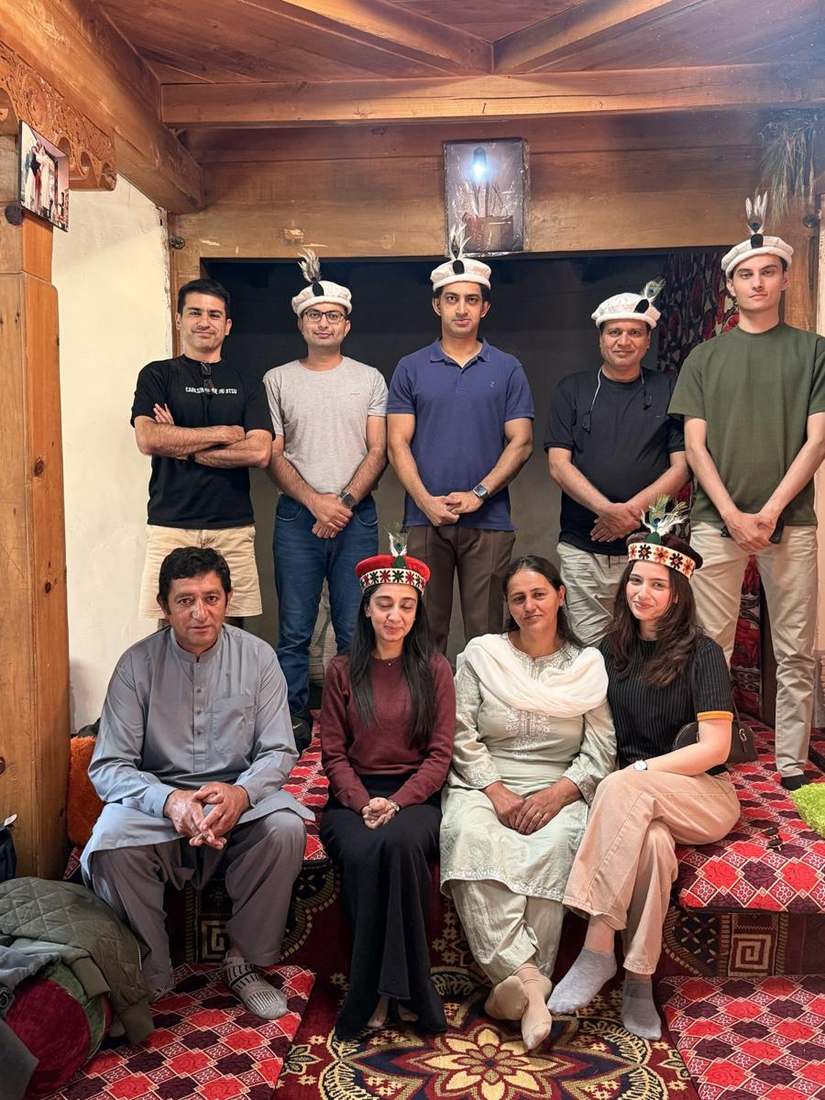
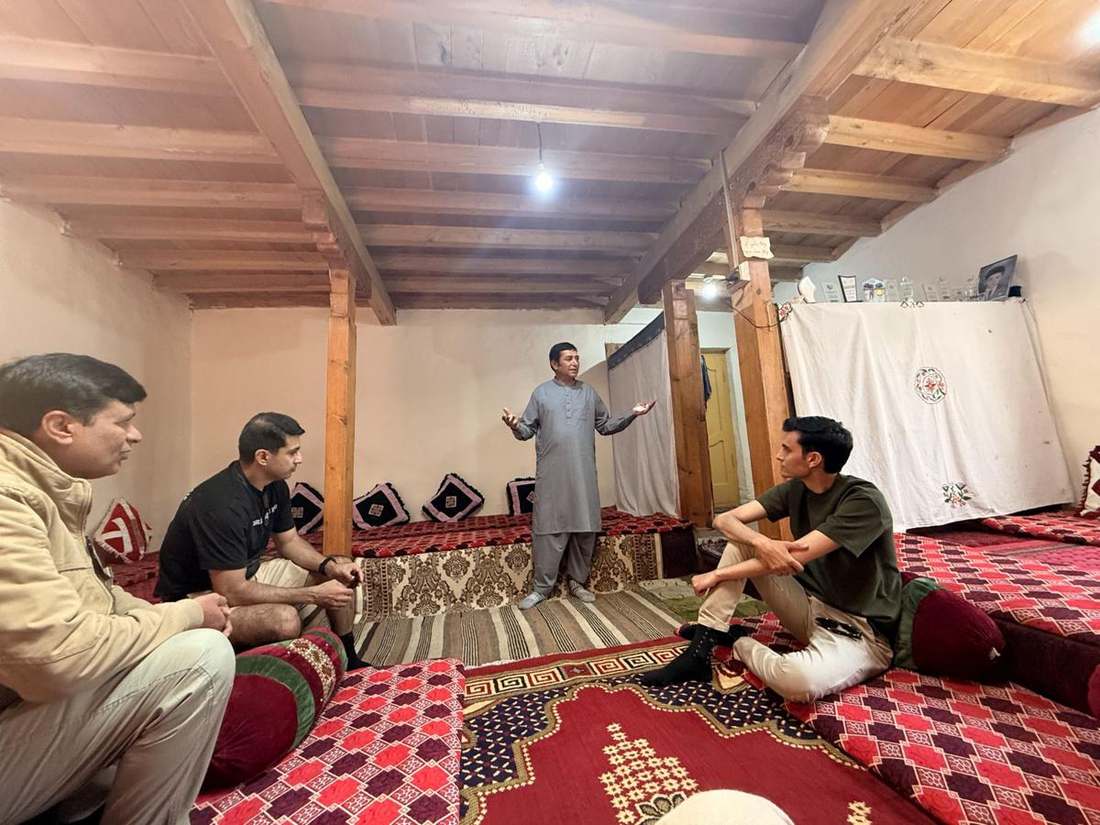
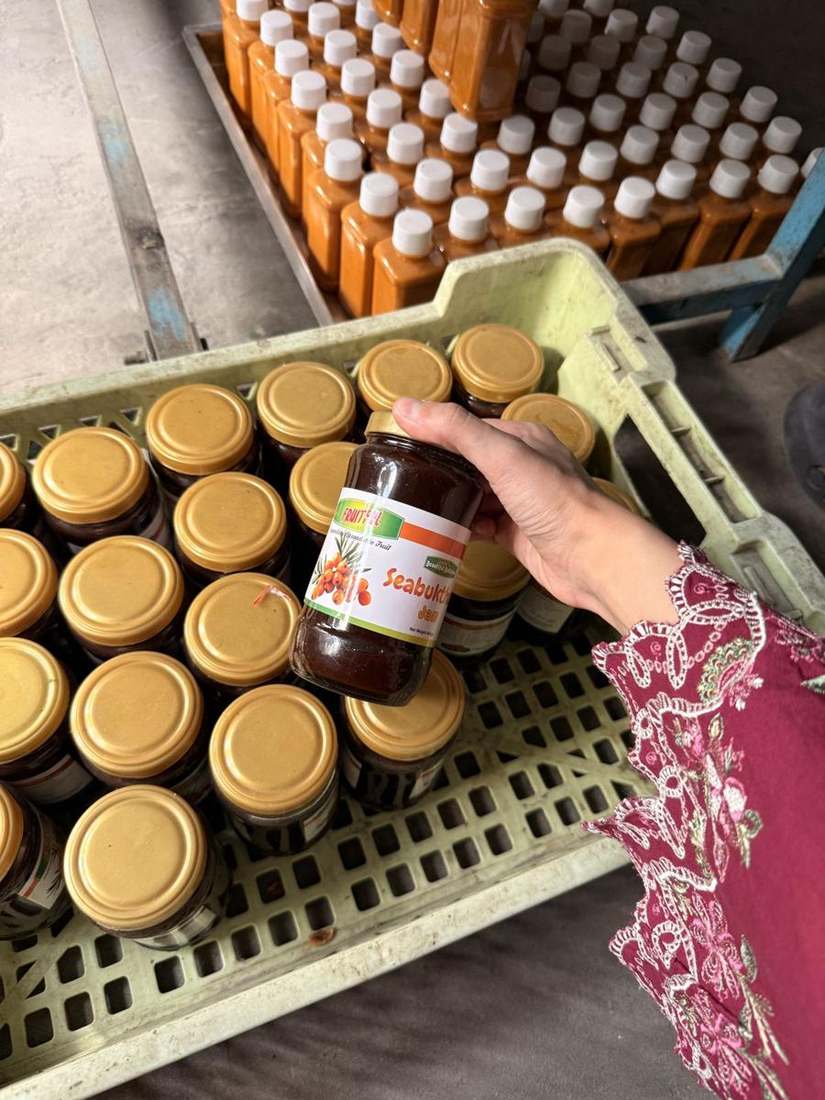
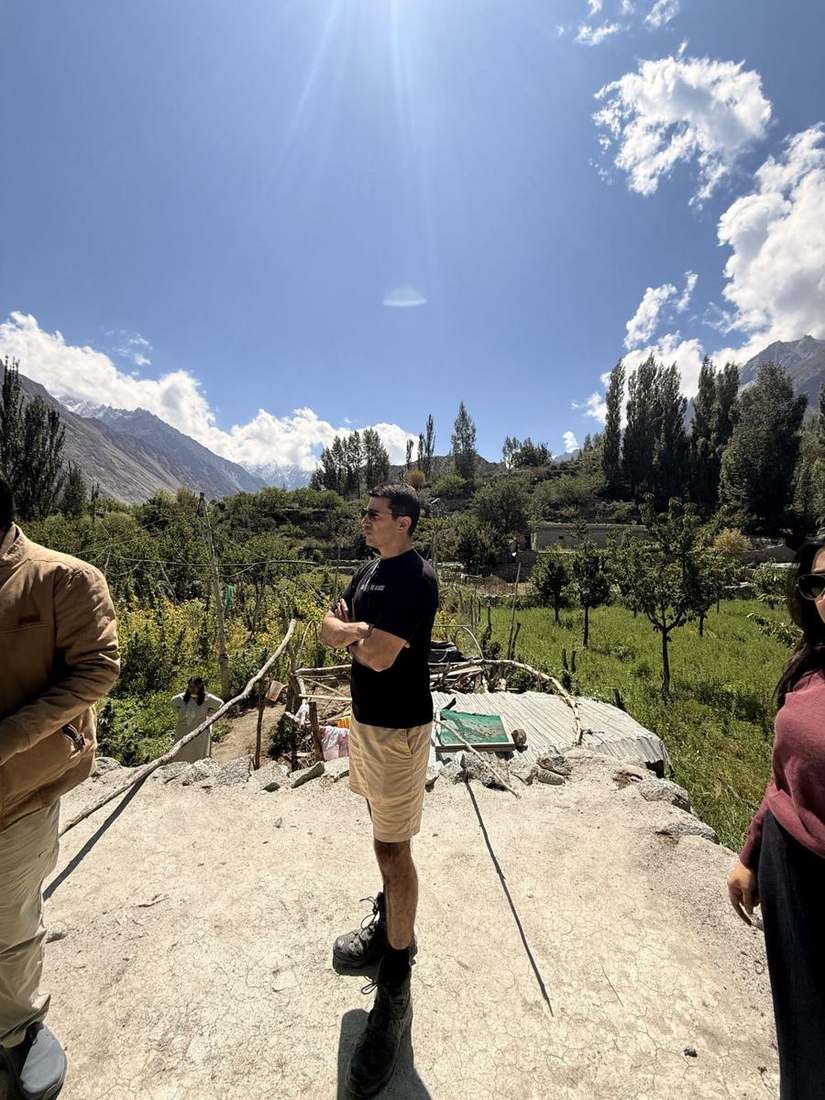
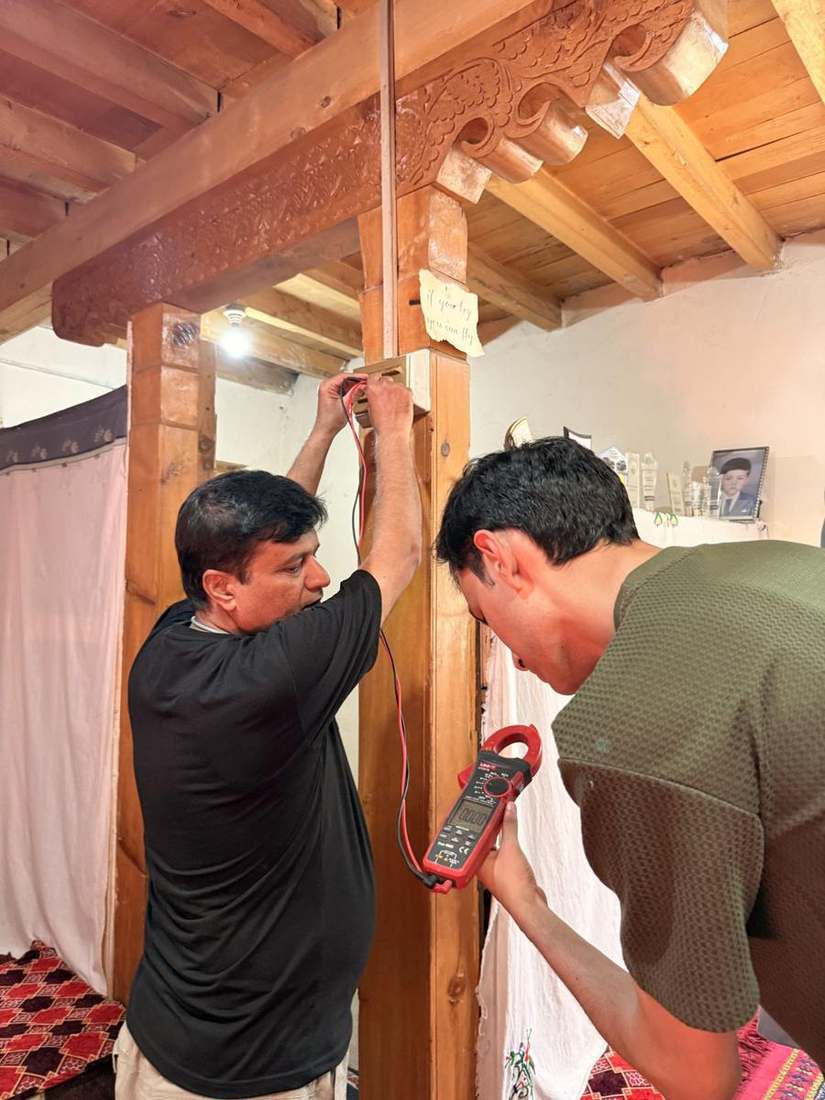
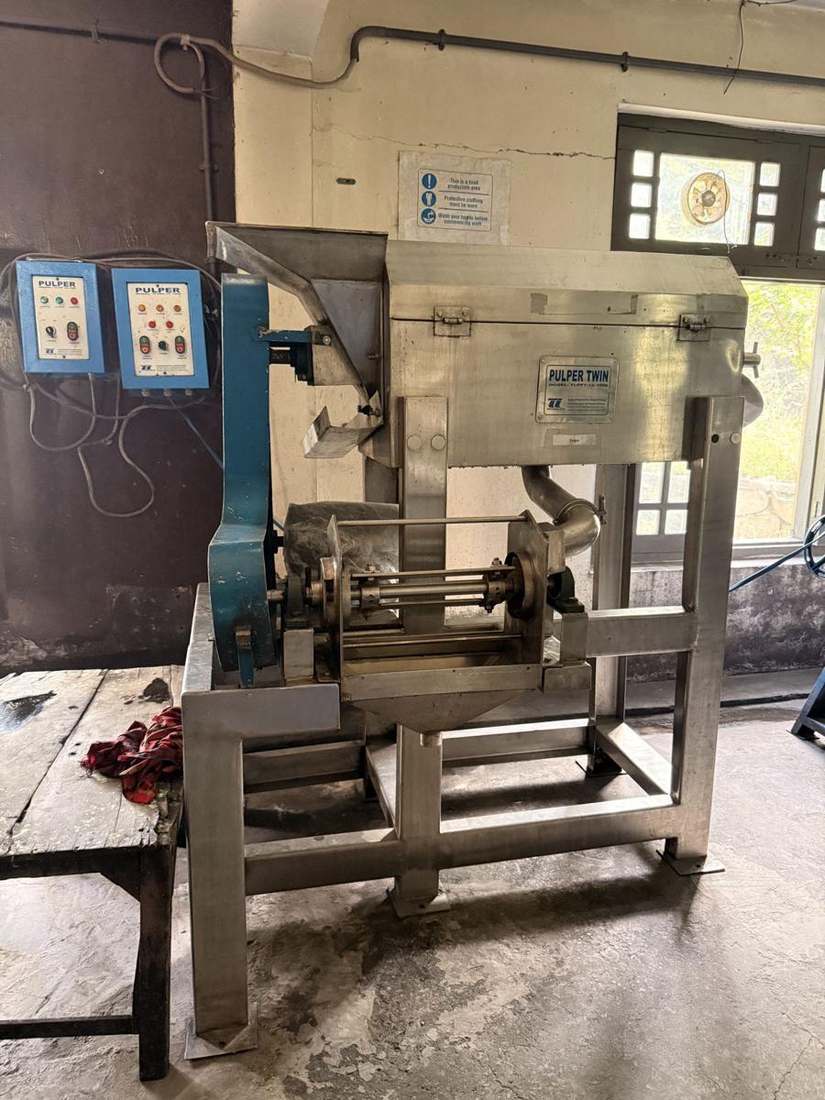
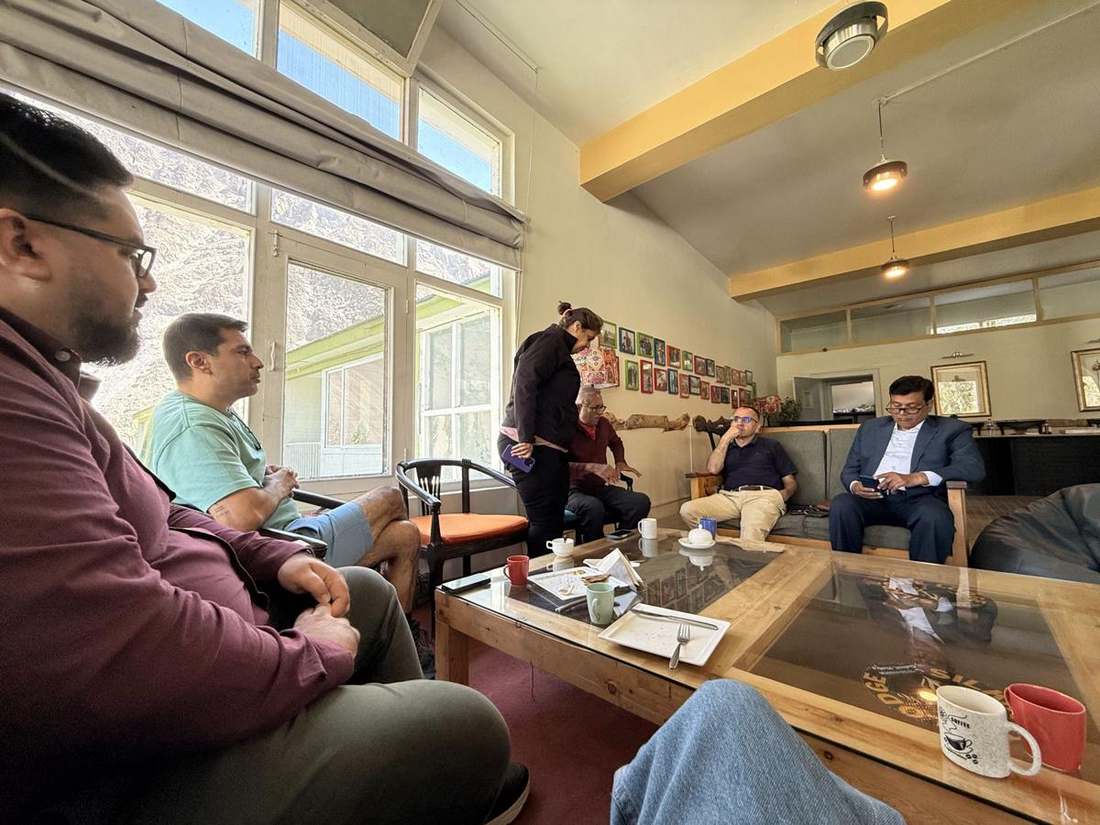
Before designing anything, our team meets communities, local organisations and experts on the ground. Here are moments from our September 2026 visit to Skardu and Upper Hunza.
About Thrive
A not-for-profit company built for the long term
Thrive exists so that communities can prosper, withstand shocks and stay in control of their own resources. As a public-benefit company, everything we raise or earn goes back into that purpose.
Why Thrive exists
Talent and resources are everywhere in Pakistan. Opportunity is not.
In the mountain villages and farming communities of Pakistan, people are not short of courage, skill or ideas. A grandmother knows which slopes give the best berries. A young graduate has a plan for a business. A women's committee knows exactly which families need help first. What they rarely have is the structure, the organisation and the finance to turn that knowledge into something that lasts.
Thrive is that missing link. We sit beside communities, help them organise, put proper systems and governance in place, and bring partners and financing to the table, so that the value of their land, their labour and their heritage stays with them.
Our promise
We do not arrive with a plan for people. We arrive to help them carry out their own, and we stay until it stands on its own feet.
The missing link
Communities have the will. Thrive brings the way.
What communities bring
Land, natural resources, traditional knowledge, hard work and the trust of their neighbours.
What Thrive brings
Structure and organisation, sound governance, technical know-how, and partners and financing brought to the table.
What we build together
Enterprises communities own, incomes that last beyond the grant, and villages that reach their full potential.
What we bring to the table
Over a century of experience, in one room
Thrive's strength is its people. Between them, our five directors bring well over a hundred years of experience across banking and credit rating, climate finance and international development, risk and compliance, corporate law and wellbeing. That range is rare in a development organisation, and it is exactly what communities need: people who can read a balance sheet, negotiate a contract and design to international standards, and who will still sit on the floor of a village home and listen.
Our objects
To promote and support economic resilience, climate adaptation, disaster preparedness, sustainable livelihoods and cultural development by designing, implementing and scaling programmes and initiatives for public benefit.
How we pursue them
- Working with charitable trusts, associations, institutions and statutory authorities with similar aims
- Training, seminars, workshops and dialogue
- Research, reports and publications on our work
- Establishing and managing funds, including endowments, for our objects
Values
What guides our work
Community ownership
Communities shape and own what we build together. We design with them, not for them.
Trust and transparency
We publish what we spend and what we achieve, and explain our decisions.
Fairness and dignity
Fair prices paid directly, fair wages and respect for every person we work with.
Care for the environment
We protect the land, water and biodiversity communities depend on, and avoid harmful chemicals and waste.
Evidence and learning
We measure results against a baseline, share what works and change what doesn't.
Dedication and commitment
We stay for the long term, until enterprises and communities can stand on their own.
Governance and ethics
What being a section 42 company means
A section 42 company is a not-for-profit association licensed by the Securities and Exchange Commission of Pakistan. Its money and income can be used only for its objects, and it is regulated and audited like any other company.
Thrive Impact Foundation Limited · CUIN 0356916 · a public company limited by guarantee, licensed under section 42 of the Companies Act, 2017.
Our commitments
- All income is applied to our objects. No dividend, bonus or profit is paid to members or their families.
- If the company is ever wound up, its assets pass to another section 42 company, never to members.
- Annual accounts are audited by chartered accountants.
- A related-party policy: directors declare any interest and do not vote on it.
- All funds move through scheduled banks, and every member confirms in writing that they have no link to money laundering or terrorist financing.
- Foreign contributions are accepted only with the approvals required by law.
- Photos and stories of community members are used only with their consent.
- Thrive is non-political and non-sectarian.
Join us
Be part of the lives we are changing
Behind every figure we report there is a person: a mother paid a fair price for her harvest, a daughter trained for a job close to home, a village that no longer waits for help to arrive. When your company partners with Thrive, you are not funding a project from a distance. You are standing beside these families as they build something of their own.
Our work
Programmes that communities own
Every programme starts with the people who will run it. We look for local strengths that are under-used, build the skills and infrastructure to add value, and stay until the work can sustain itself.
How we work
Four principles
Start with local strengths
We build on resources and skills communities already have.
Partner with local institutions
We collaborate with community organisations, local government and specialist partners, rather than working around them.
Power it cleanly
Renewables first, for reliable energy and a smaller carbon footprint.
Plan for the exit
Every programme is designed to stand on its own, with a clear path away from grant funding.
Programme areas
Where we focus
Climate resilience and disaster preparedness
Community preparedness, resilient infrastructure and support when disaster strikes.
Food, water and livelihoods
Value chains for local produce, fair purchasing and new income. Current project: sea buckthorn in Gilgit-Baltistan.
Clean energy and access to services
Solar-powered facilities and access to water, energy and telemedicine for underserved communities.
Skills, enterprise and culture
Technical training for women and youth, enterprise support and the protection of local culture.
Current project · the Golden Berry of Upper Hunza
The women who harvest the mountain should keep its value.
In the valleys of Upper Hunza it is women who gather sea buckthorn, the Golden Berry, each autumn, by hand, through thorns and cold. Very little of its value has ever reached them. Our facility in Ghulkin puts women at the centre: as paid collectors, as the processing team and as leaders of the enterprise.
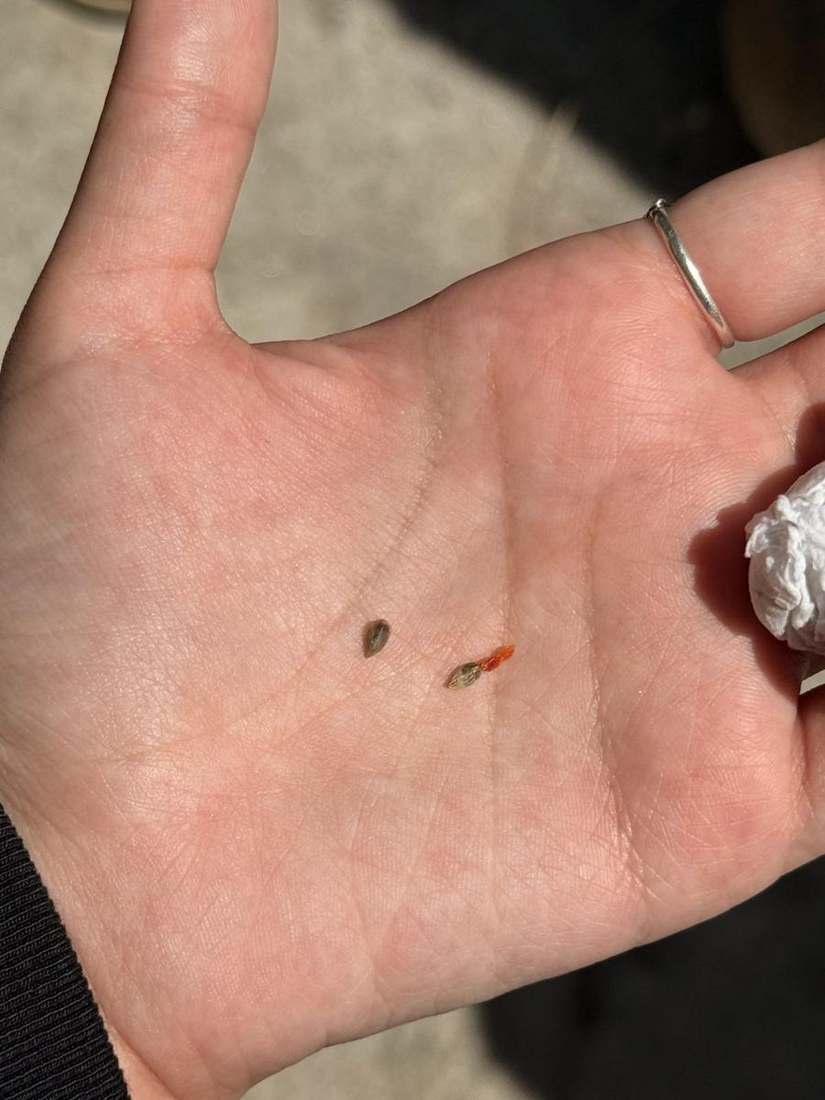
Women at the centre
Four roles for women, from the slope to the bottle
Women already carry this resource. The project moves them from the edge of the value chain to its centre, earning directly at every step.
Collectors
Women collectors sell berries at a published price per kilogram, weighed at the collection point and paid directly to them, not through middlemen.
The processing team
Women run the facility: operating the machinery, testing quality, and filling and packing the oil, in paid jobs close to home.
Leaders
The project is led on the ground by a woman, Ms. Zahida, and women have a real say in how the enterprise is run.
Learners
Training in berry handling, quality and business skills, plus wider technical skills that open doors beyond the Golden Berry.
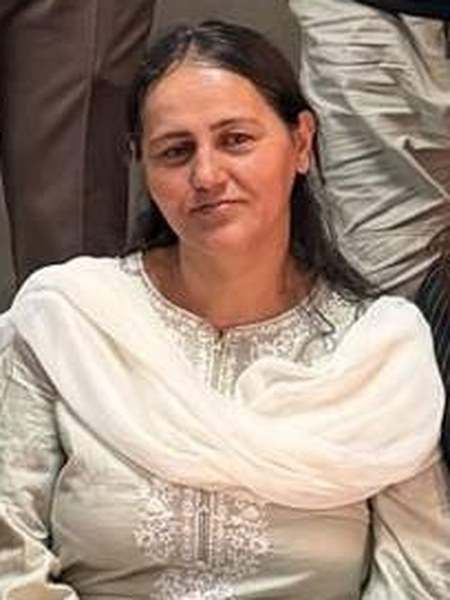
Led by a woman
Ms. Zahida's dream: one village at a time
For years, Ms. Zahida stood beside her husband, Mr. Waziraman, working to bring the value of the Golden Berry to market. With limited resources, that value never reached the community. Her dream is clear: to use the oil pressed from the berry's seeds to lift not only her own community, but to show the way to other valleys, one village at a time. Her family is contributing the land for the facility.
Everything turns on one machine. A cold press is what turns a seed worth almost nothing into an oil that buyers will pay a premium for. Without it, the berries stay cheap and the women stay at the edge of the value chain. With it, the value stays in the valley.
Ms. Zahida has the land, the knowledge and the trust of the women around her. The missing link between her endeavour and achieving it is Thrive's commitment, and the partners who join us.
- Income in the off-season: when there is little other work, a reliable second income for women and their families.
- Clean energy: rooftop solar in a valley with only a few hours of grid power a day.
- Nothing wasted: seed cake becomes animal feed or compost; pulp and juice have their own uses.
- Self-sustaining: partners help build it once; oil sales then pay collectors, staff and running costs.
Plant and berry figures: ICIMOD and AKRSP.
How it works
From the women's harvest to cold-pressed oil
Women harvest
Women collectors gather berries each autumn with traditional methods that let the shrubs regenerate.
Paid fairly, directly
Each collector's berries are weighed and paid for at a published price, straight to her.
Women process
The women's processing team washes, dries, cold-presses and filters the berries on solar power, with no chemical solvents.
Reach markets
Batch-tested oil, traceable to its valley and the women who gathered it, sold to cosmetic, wellness and nutrition buyers.
Our journey
From research to a working facility
- Value-chain research, costing and the business model.
- Field visit: benchmarking an existing sea buckthorn processing unit in Skardu; site and solar feasibility at Ghulkin; meetings with ICIMOD, Karakoram International University, the Agriculture Department and local organisations.
- Letters of support from the community and buyer interest are in hand. We are now raising funding from CSR partners and other donors who share our aims.
- Build the facility, train the women's processing team and run the first harvest.
For CSR, ESG and development partners
A partnership that works for everyone
Your company gains a measurable project with evidence it can use in its own reporting. Communities gain income and resilience that lasts after the grant.
CSR Act 2026
CSR is becoming a legal requirement
Pakistan's Corporate Social Responsibility Bill, 2026 has been passed by Parliament and awaits presidential assent. Once it becomes law, listed companies and large unlisted companies will have to adopt a board-approved CSR policy and disclose their CSR activities every year, with at least 1% of after-tax profit encouraged for CSR. A well-governed section 42 partner with clear reporting makes that easier to deliver and to disclose.
GSP+ and ESG
Evidence your buyers and regulators ask for
From 1 January 2027, the EU's new GSP+ scheme asks Pakistan to show progress on 32 international conventions covering labour rights, women's rights, the environment, climate and good governance. Exporters, especially in textiles, face growing questions from EU buyers about their social and environmental record. Our projects produce verifiable data on women's income, fair purchasing, clean energy and traceable sourcing.
GSP+ status is granted to Pakistan as a country. Partnering with Thrive gives your company credible evidence for its own ESG and buyer reporting.
What partners receive
- Annual impact data: households reached, women paid, prices, wages and production
- Solar energy generated and emissions avoided
- Traceability from source to buyer
- Quarterly progress reports
- Recognition at the site and co-branding on agreed terms
- Impact stories, video and site visits
ESG evidence for your reports
The data and documents your CSR and ESG teams will need
Your sustainability team has to show where CSR money went and what it achieved, in the SECP's ESG Disclosure Guidelines, in CSR disclosures under the new CSR law and in questionnaires from EU buyers under GSP+. We collect this evidence from the first day of a partnership and hand it over in a form you can use directly.
Certificates and approvals
- SECP licence under section 42 and certificate of incorporation as a not-for-profit company
- FBR registration (NTN) being obtained
- Approval as a non-profit organisation under section 2(36) of the Income Tax Ordinance, 2001, after certification by the Pakistan Centre for Philanthropy, so that your donation can qualify for tax credit under section 61 being obtained
- Government approval for foreign contributions before any foreign funds are accepted
- Board-approved related-party, anti-money-laundering and consent policies
Social data
- Households reached, by valley
- Number of women collectors, kilograms bought and rupees paid to each, with the price per kilogram against the local market price
- Jobs created, by gender, with wages against the legal minimum wage
- Training delivered, in hours and participants, by gender
- Women in leadership and decision-making roles
- Grievances raised and how each was resolved
Environmental data
- Installed solar capacity (kW) and electricity generated (kWh)
- Diesel and grid power avoided, and the tonnes of CO₂e avoided, with the method used
- Waste reused: seed cake and pulp turned into feed, compost or other products (kg)
- Water used in processing
- Wild-harvest practices that let the shrubs regenerate
Governance and traceability
- A use-of-funds statement for each partner's contribution
- Directors' declarations of interest
- Batch records tracing the oil from valley and collector to buyer
Ways to partner
Choose the role that fits your goals
Strategic partner
Fund Thrive as an organisation, not just one project, so we can grow our team, start new programmes and reach more communities across Pakistan.
Programme partner
Fund a specific programme or project, such as the Golden Berry facility in Upper Hunza, and follow its results from start to finish.
Knowledge partner
Share technical, research or delivery expertise with our team and communities.
Alliance partner
Connect Thrive to your network of companies, institutions, buyers and donors, and open doors we could not open alone.
Our people
Decades of experience in development, finance, law and wellbeing
Thrive's board brings together climate and sustainable development, credit and risk, banking, corporate law and wellness, working alongside a team on the ground.
Board of directors
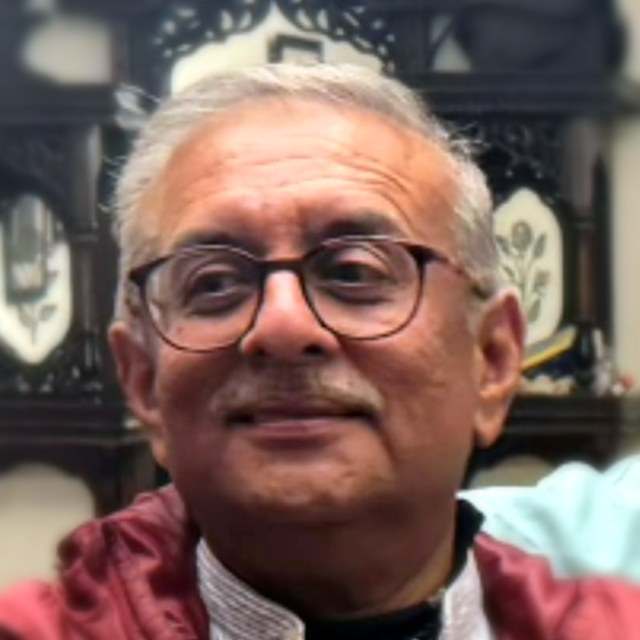
Chairman
Adnan Afaq, FCA
One of the most respected figures in Pakistan's financial sector, with nearly five decades of leadership in banking, asset management and credit rating. As Managing Director of The Pakistan Credit Rating Agency (PACRA), one of the country's leading SECP-licensed credit rating agencies, he more than doubled its rating portfolio and forged partnerships in Sri Lanka, Iran and Bangladesh. He founded Askari Investment Management as its CEO, led planning and strategy at Askari Bank, worked with three of the world's top global companies and helped establish a bank, a development finance institution and a non-bank finance company. Giving back has run through his whole career. He was the driving force behind UMEED, which built 160 homes in the Balakot region after the 2005 earthquake, and is a founding member and trustee of Caravan of Life, which helps rehabilitate people with mental health challenges. For ten years he served Damen and the Damen Support Program, not-for-profits for women, as Chairman, Director and CEO, bringing microloans, village home schools and livestock health care to rural families. When Covid lockdowns stopped tourism in Hunza, he helped run the Gulmit Relief Project, which provided rations to more than 1,000 people and need-based scholarships to children for two years. A chartered accountant by qualification, he now leads the Silk Route Lodge in Gulmit, Hunza, a project of Route 16 (Private) Limited, giving back to the mountain communities of Hunza, with which he has always felt a deep connection.
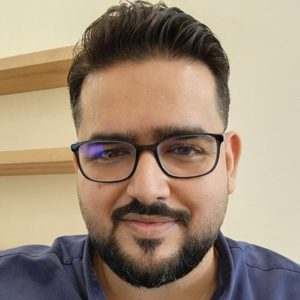
Co-Founder and Chief Executive Officer
Ali Yasir
A climate, energy transition and sustainable development professional with more than 18 years at multilateral institutions including IRENA, UNIDO, GIZ and the Zayed Sustainability Prize. He has advised governments and international organisations on climate policy, climate finance and resilience across Africa, Asia, the Middle East and Latin America, and has spent much of his career backing social and climate innovation: scouting and evaluating high-impact solutions, strengthening investment ecosystems and supporting entrepreneurs and start-ups that tackle climate and development challenges. At Thrive he brings that global experience home. He designs projects to the standards that international funders and climate investors expect, connects them to climate finance and partners beyond Pakistan, and makes sure every project, starting with the solar-powered Sea Buckthorn facility, is built on clean energy, measurable results and a model that can be repeated in other valleys.
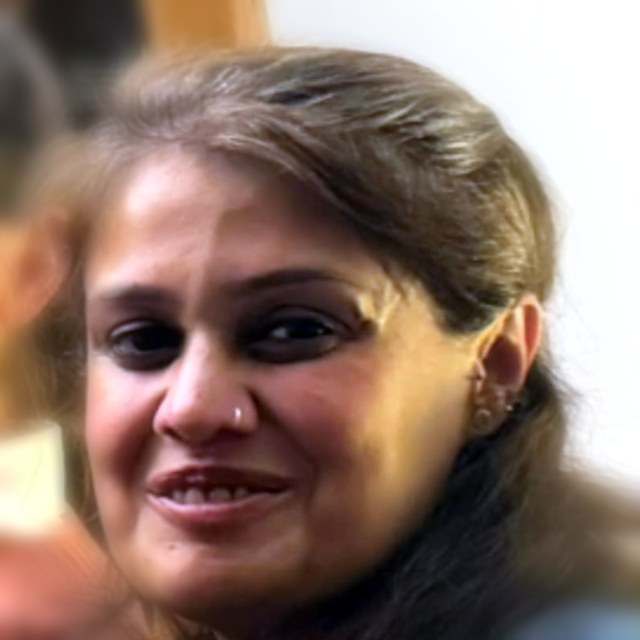
Co-Founder and Chief Financial Officer
Sobia Maqbool
Sobia has spent more than 20 years judging whether institutions can be trusted with money, in credit ratings, microfinance and development finance. A Harvard Kennedy School MPA and Fulbright Scholar, she was Chief Risk and Compliance Officer of Pakistan Microfinance Investment Company and is an SECP-approved external member of a credit rating committee. Over six years of living and working in Hunza, she has been involved again and again in philanthropic projects in Upper Hunza that empower local people, young people and, above all, women. That has given her real standing in its communities and with the women-centred committees of local organisations, opening doors for Thrive that few outsiders could. As Thrive's CFO she holds us to the standard she once applied to others: every rupee a partner entrusts to us is controlled, tracked and reported, so that a company can put its name to our work with complete confidence. With a woman in charge of Thrive's finances, the women this project serves are represented where the decisions are made, with a level of professionalism partners can rely on.
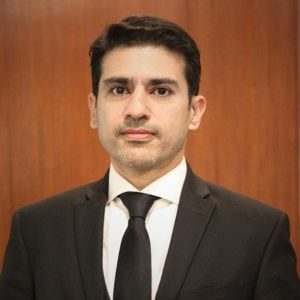
Co-Founder and Chief Legal and Compliance Officer
Babbar Ali Khan
Barrister of Lincoln's Inn, Advocate of the Supreme Court of Pakistan and Fellow of the Chartered Institute of Arbitrators. Founding Partner of HP | FKM, recommended by The Legal 500 Asia Pacific for dispute resolution, with about 20 years in corporate compliance, construction law and arbitration. He leads Thrive's governance and contracting, and partners feel it: every agreement protects their contribution, every approval is in place before money moves, and every contract Thrive signs is built to hold. Partners can fund Thrive with confidence and without legal surprises.
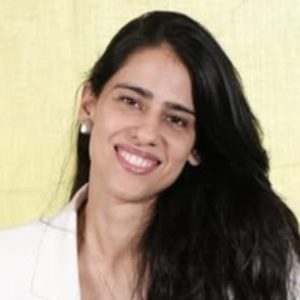
Co-Founder and Chief People Officer
Mehreen Haider
Mehreen brings something rare to a development board: a barrister's judgement and more than a decade spent building businesses around people's wellbeing. She founded and leads Vivere (Pvt.) Ltd., which helps companies care for their employees, and SOULFIT, a women-centred wellness studio in Islamabad. Through these ventures she has built a community of women who look after their mental and physical wellbeing together. At Thrive she keeps our attention on the people behind the numbers: the health, dignity and confidence of the women at the heart of our work. Her years advising companies also give her a clear sense of what businesses look for in a partner, helping Thrive build CSR partnerships that work for both sides. Having built two businesses from the ground up, she also brings a founder's energy and a practical eye for what it takes to make an enterprise last.
On the ground
Governance and Operations Manager
Hudda Gul Rahim
Manages Thrive's compliance, records and partner coordination.
Technical and Communications Manager
Muhammad Ibrahim Khan
Leads technical planning and Thrive's communications.
From the field · September 2026
Notes from Skardu and Upper Hunza
Before designing anything, we spent time with communities: in their meeting rooms, at an existing processing unit, on the site with a solar consultant and around tables with local organisations.
Publications
Reports, surveys and research
We publish what we learn: field reports, baseline surveys, impact reports and briefs for policymakers and partners. All material is free to read and share with credit to Thrive Impact Foundation.
What a working unit in Skardu taught us
An account of a working sea buckthorn processing unit: its machines, its solar dryer, and what they mean for the facility planned in Ghulkin.
Read the report (PDF)Community and Institutional Consultations in Upper Hunza
Findings from consultations in Ghulkin, Nagar, Gulmit and Aliabad on site feasibility, local perspectives, community institutions and market access.
Read the report (PDF)From Concept to Enterprise
Guidance from ICIMOD, Karakoram International University and GLAD on the evidence base, technology, scale, funding and markets.
Read the report (PDF)Baseline survey of sea buckthorn collectors in Upper Hunza
Household income, the role of women in collection and current berry prices across four valleys, before the facility opens.
Coming soon
Get new publications first
We share every new report and update on LinkedIn.
inFollow Thrive on LinkedInContact
Let's build it together
We welcome conversations with CSR teams, foundations, development partners, buyers and anyone who shares our aims.
Head office
Islamabad
993, Street 43, E-11/3
Islamabad, Pakistan
Tel: +92 51 8433358
Fax: +92 51 8433359
Site office
Gulmit, Upper Hunza
Silk Route Lodge, Karakoram Highway
Daak Khana Khaas, Gulmit
Gojal, Hunza, Gilgit-Baltistan
info@thriveimpactfoundation.org